


|
 |
 |
 |
 |
|
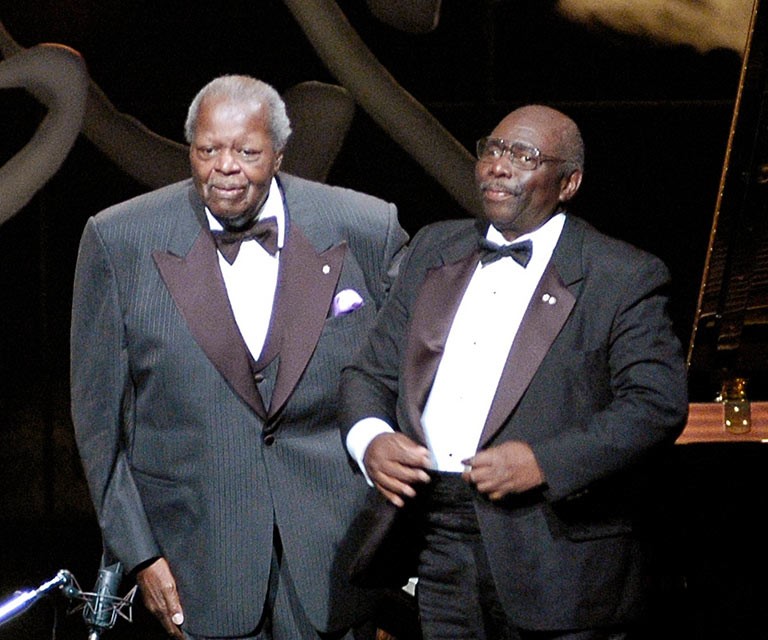
“It’s the group sound that’s important, even when you’re playing a solo. You not only have to know your own instrument, you must know the others and how to back them up at all times. That’s jazz.” -
Oscar Peterson |
|
|
 |
 |
 |
 |
|
 |
 |
 |
 |
Monday, 05 January 2009 |
Home
|
Written by Andrea Canter, Contributing Editor
|
|
Saturday, 03 January 2009 |
|
 Kendra Shank © Andrea Canter
"One of New York's most original performers." --Gary Giddins, Jazz Times Acclaimed vocalist Kendra Shank and her quartet, with guest saxophonist Billy Drewes, will perform at the Kitano in Manhattan as part of the Associationo of Performing Artists Presenters (APAP) Convention Showcase, January 9-10. Voted Talent Deserving Wider Recognition in the 1999 Downbeat International Critics Poll, recognition came slowly for Kendra. However, since the 2007 release of her Abbey Lincoln tribute, A Spirit Free, the elastic improviser has accumulated a pile of accolades, with a “unique and immediately identifiable sound and style” (Don Heckman, LA Times), as “a singer with a sound” (Abbey Lincoln) who “phrases inventively, whether crisp and sizzling or sensuously smoky” (Patricia Meyers, Jazz Times). On many “best of the year” lists for 2007, the recording has prompted critics to compare Shank to the most innovative singers of modern jazz, from Abbey Lincoln herself to Betty Carter, Patricia Barber, and Kurt Elling. This weekend's gig include's Shank's long-standing New York band--pianist Frank Kimbrough, bassist Dean Johnson and drummer Tony Moreno; saxophonist Drewes (who also appears on the recording) makes it a quintet Saturday night only. In addition to selections from previous recordings, the set list likely will include a preview of Kendra's forthcoming Mosaic (Challenge Records), due for an April release.
|
|
Read more...
|
|
|
Written by Ronaldo Oregano
|
|
Saturday, 03 January 2009 |
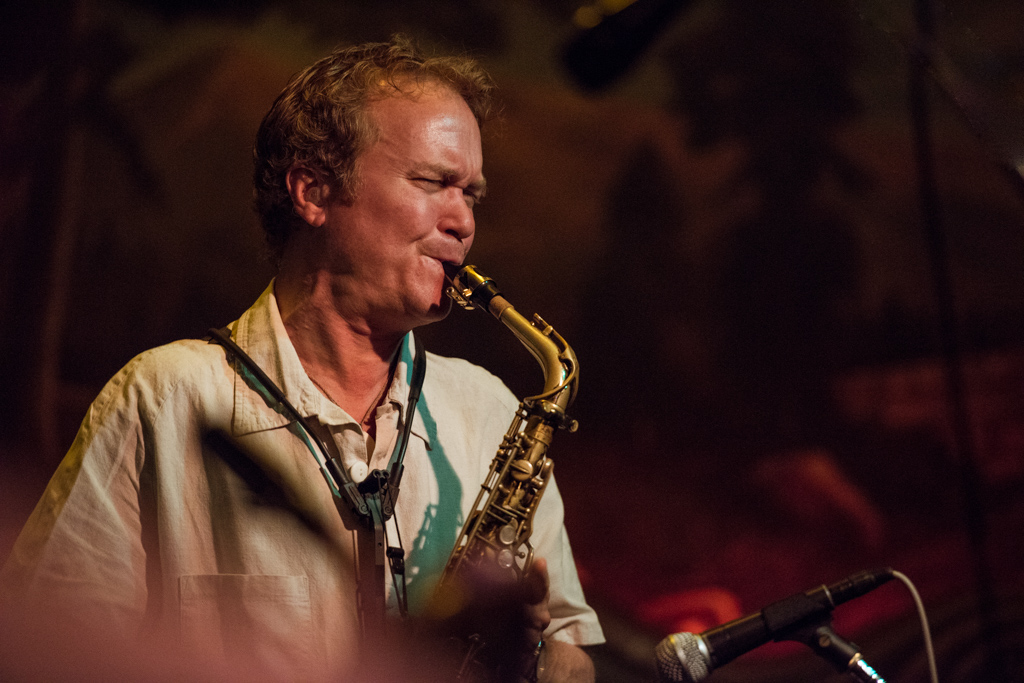
 Sonny Fortune by Dmitry Scherbie Sonny Fortune, the great post bop alto saxophonist, flutist and composer, appears at the Jazz Showcase in Chicago for four nights from Thursday, January 8th through Saturday. January 11th. Fortune a riveting improvisor who can play inside or out with a logic and passion that never loses the listener. In his monthly Jazz Times article, Nat Hentoff stated that Sonny "ought to be a National Endowment for the Arts Jazz Master." At 69 years old, Sonny's still blowing hard at the peak of his powers. Sonny Fortune was born in Philadelphia on May 19, 1939. In 1967 he moved to New York. Said Fortune of that move: "Eventually, in order to find out if you really have what it takes, you have to go to the center, and that's New York...you can only do so much in your hometown."
|
|
Read more...
|
|
|
Written by Ronaldo Oregano
|
|
Thursday, 01 January 2009 |
 Pharoah Sanders Jazz legend Pharoah Sanders descends on the Bay area to play Yoshi's in San Francisco on Friday, January 2nd through Sunday, January 4th and then moves on to Santa Cruz for one night at the Kuumbwa Jazz Center on Monday January 5th. Ferrell Sanders was renamed "Pharoah" by Sun Ra when he joined Ra's Arkestra. Then Sanders joined the cadre of avant-garde saxophone pioneers of the time: Coltrane, Albert Ayler, Archie Shepp. Pharoah Sanders possesses an instantly identifiable tone that is thick and harmonically rich and heavy with overtones- a sound that can be as aggressive and raspy as Peter Brotzman. Coltrane's later style was strongly influenced by Sanders. Sanders first really captured the publics attention while playing with expressionistic and wide-open free jazz in John Coltrane's late ensembles of the mid-'60s. Sanders' later music has become more lyrical and soulful while continuing to explore new harmonic terrain.
|
|
Read more...
|
|
|
Written by Ronaldo Oregano
|
|
Thursday, 01 January 2009 |
 Eric Reed The Eric Reed Trio performs on Friday January 9th and Saturday, January 10th at Smoke Jazz & Supper Club-Lounge in New York. The Eric Reed Trio features Eric on Piano with Doug Weiss on bass and Rodney Green on drums. With 8 CD's as a leader, many more as a sideman and three film scores, critically acclaimed pianist and composer Eric Reed's accomplishments are significant, especially for a man still in his thirties. Eric Reed attended Cal State Northridge for one year during which he toured briefly with Wynton Marsalis at age 18. A year later, Eric joined Marsalis’ Septet (1990-91; 1992-95). He spent two years with the Lincoln Center Jazz Orchestra (1996-98), making countless recordings and TV appearances with them. Reed also worked in the bands of Freddie Hubbard and Joe Henderson (1991-92). Eric continues to perform and record with an assorted multitude of masters like Elvin Jones, Benny Carter, Wayne Shorter, Ron Carter, Cassandra Wilson, Jimmy Heath, Clark Terry, Dianne Reeves and a host of other diverse performers including Natalie Cole, Patti Labelle, Oleta Adams, Edwin Hawkins, Jessye Norman and Quincy Jones.
|
|
Read more...
|
|
|
Written by Andrea Canter, Contributing Editor
|
|
Tuesday, 30 December 2008 |
“…a superlative display of eclectic music-making, engaging as entertainment, compelling as jazz…” (Don Heckman, LA Times)  Barbara Morrison©Andrea Canter
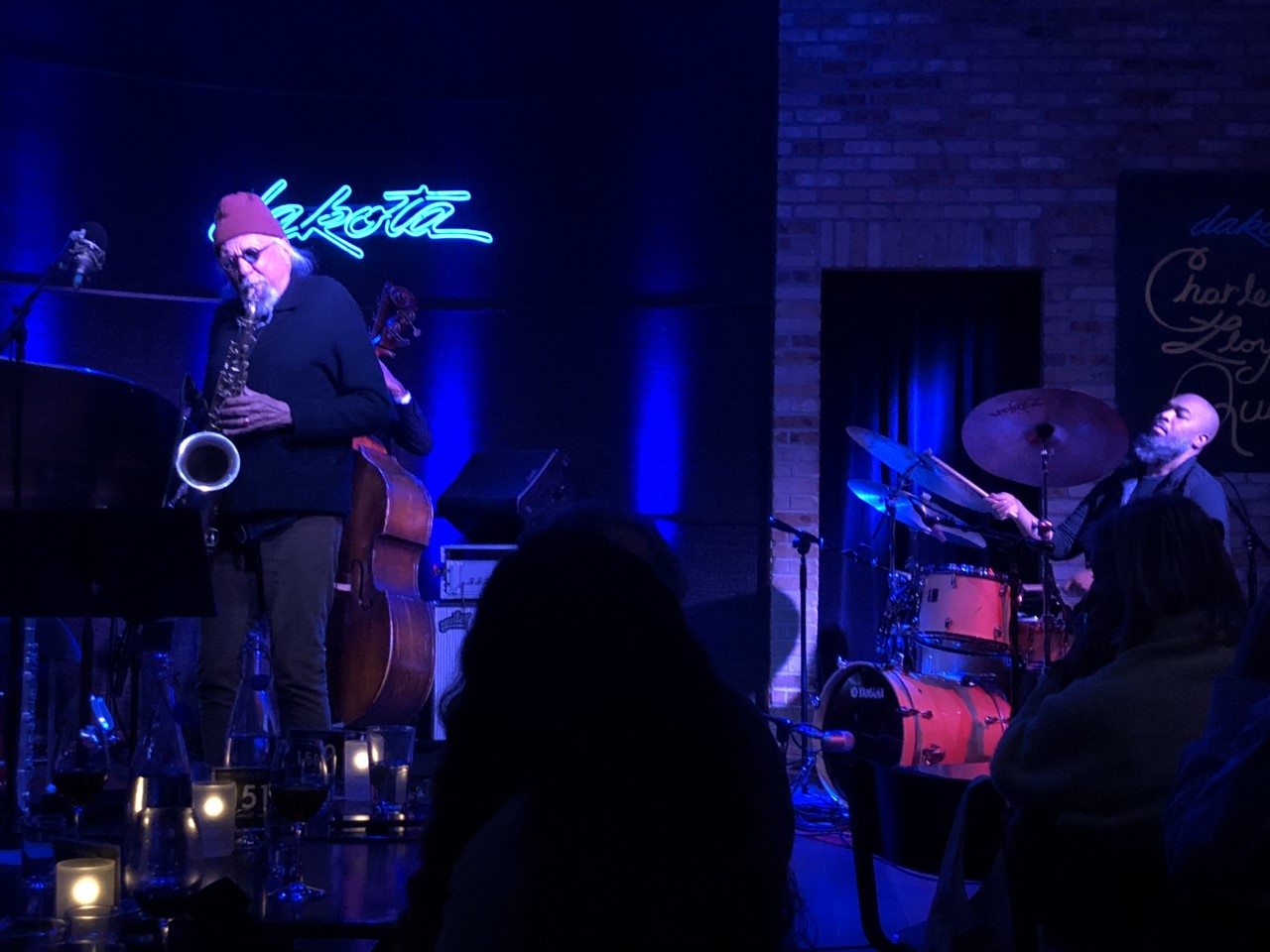
One of the most soulful songstress of her (or any) generation, Barbara Morrison scored one of the fastest rising CDs on the Jazz Week radio charts two years ago with the release of Live at the Dakota on the Dakota Live label. After performing in 2006 and 2007 at the Twin Cities Jazz Festival, Barbara now returns to the Dakota with her swinging renditions of blues and jazz standards. A native of Ypsilanti, Michigan, Barbara Morrison made her show business debut recording for Detroit radio at age 10. Ever since, she has been performing at festivals, including the Montreux and the North Sea Jazz Festivals, and on stage with such legends as Dizzy Gillespie, James Moody, Ron Carter, Etta James, Jimmy Smith, Johnny Otis, Dr. John, Kenny Burrell, Terence Blanchard, Joe Sample, Cedar Walton, Nancy Wilson, Mel Torme, Joe Williams, and Tony Bennett. She opened for Ray Charles and was guest vocalist for the Count Basie Orchestra, the Clayton-Hamilton Orchestra, and Doc Severinsen's Big Band. Other credits include lead vocalist on the movie sound track for The Hurricane (starring Denzel Washington), guest vocals on The Duke Ellington Millennium and Johnny Otis' Ooo Shoo Be Dooo recordings, and appearances on the NBC TV comedy The Naked Truth, The Tonight Show With Jay Leno and The Dennis Miller Show. Some of her more memorable performances have included her Salute to Dizzy Gillespie and Tribute to Benny Golson. Wrote the LA Times, “She can be as playful as Ella, as thoughtful as Sarah, as naughty as Etta… Barbara Morrison… has gained a national following with her big personality and delicious sense of swing.”
|
|
Read more...
|
|
|
Written by Maxwell Chandler
|
|
Tuesday, 30 December 2008 |
|
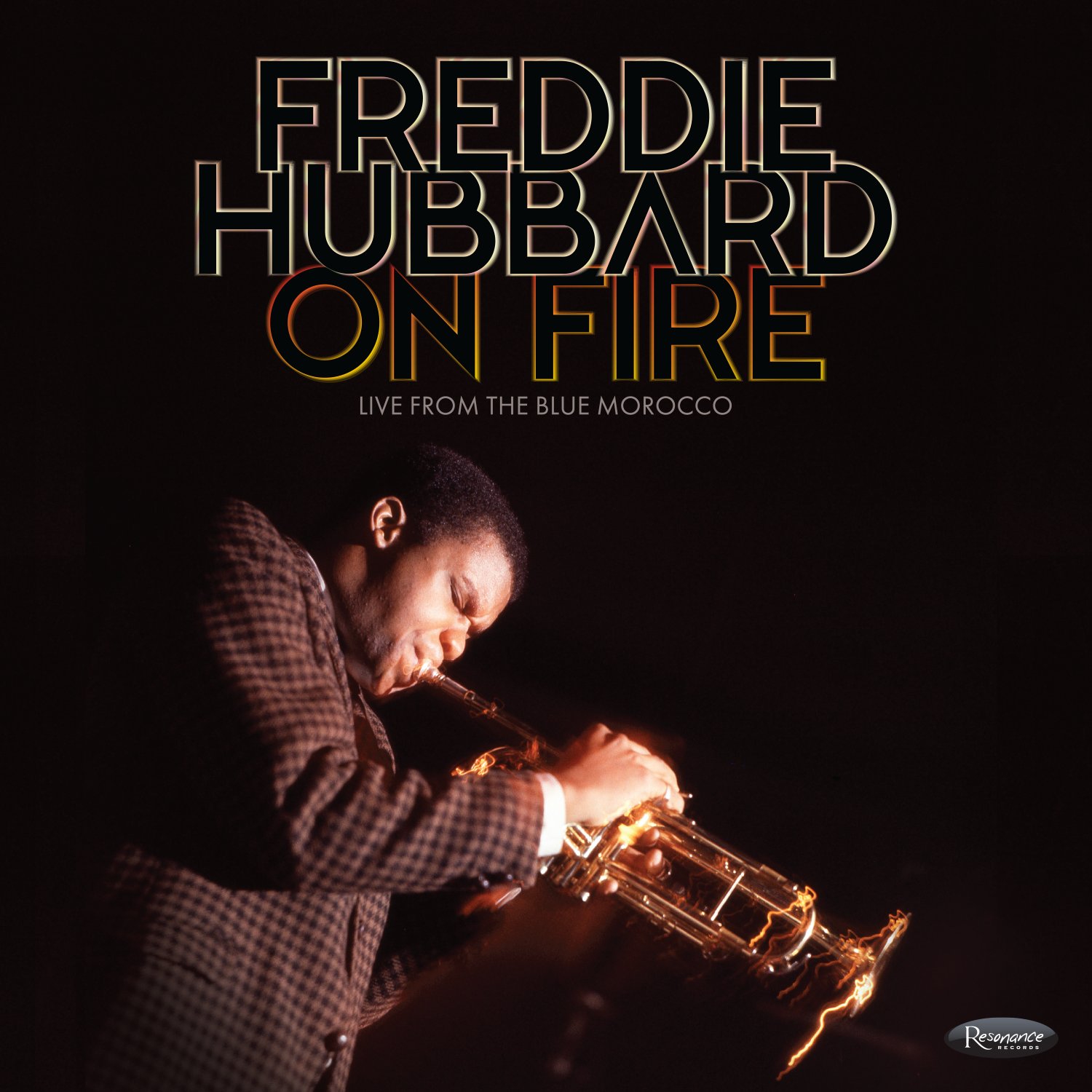
[In tribute to the passing of Freddie Hubbard on December 28th, we are posting this review by Maxwell Chandler, originally posted on winamop.com in January 2006.]  Freddie Hubbard Freddie Hubbard was part of the talented post bop wave often (then) referred to as “The Young Lions.” Unlike the generation of greats before them, they were not all of one “school” and many would continue to evolve through the ensuing decades. The emergence of Blue Note Records as a true power in the jazz world also had a part in shaping the musical community of this time. Blue Note's policy of paid rehearsals allowed for their artists to concentrate more on original compositions of greater complexity. The emerging technology also worked in their favor. The long-playing discs were now standard (for all labels), allowing musicians/composers to fully realize their artistic ideas. In this climate of exploration and collaboration would be introduced inflections of modernist chamber music-like pieces and world music flavorings. This was Blue Note and their stable of artist in the late 50s / early 60s. The close of the decade would see further explorations with (in some opinions) artists going electric and loosing their way. Or, becoming too bogged down in commercial considerations.
|
|
Read more...
|
|
| |
|
|
 |
 |
 |
 |
|
| |